
- Available 24/7
- 281.570.6400
- call us today!






PROVEN RESULTS
Dismissed
Sexual
Assault
Dismissed
Felony
DWI
NOT GUILTY
DWI
Blood Test
Dismissed
Sexual
Assault of Child
About US
Aggressive Defense Attorneys


Ready To Fight For You In Fort Bend & Harris County
Were you accused of a crime? Every year there are thousands of residents or visitors that are arrested for any number of alleged criminal offenses in Fort Bend and Harris Counties and thousands of criminal cases clog the criminal justice system each month. The arrest process and experience can leave those facing charges feeling hopeless.
Often, the accused is willing to take a plea deal in an attempt to put the event behind them. Here at Segura & Kiatta, we are not in the business of plea bargaining as a first option. We will use our knowledge and experience to aggressively fight for your freedom. With sound legal advice and legal strategies, we put your future at the forefront of our practice.
You Have Questions And We Have Answers!
Segura & Kiatta Law Firm281.570.6400


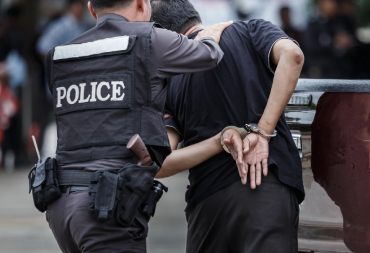
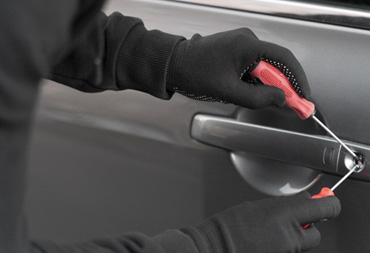
Practice Areas
cases we handle





Reviews
Our Testimonials
Steve
In my opinion, all attorneys are not created equal. If you want to hire the best – hire Anthony Segura. I’m glad I did!
Tim Varesh
Great guy, Amazing attorney. I ended up getting a DUI charge and almost lost my business. David guided me through the process and educated me on what could happen and what to do and what not to do. He always prepared me for the next step of the process and always gave me my options on which path…
Tao Jiang
Anthony Segura is a wonderful lawyer. He is very Professional and straightforward. He took his time to explain things to me and helped put me at ease with a difficult situation. He kept me informed about court dates and information about the case. He is also helpful and always available for my questions and concerns. I am grateful…
Frank
I highly recommend David for not only his legal expertise / level of professionalism but because he cares about his clients with a uniqueness of compassion which is rarely found.
OUR BLOG
Stay in the Know Read Our Firm's Blog Posts



Contact us
Contact segura & kiatta criminal defense
Schedule Your
Free Consultation
*Required Information
Our Location
Segura & Kiatta, Criminal Defense
345 Commerce Green Blvd
Suite 200
Sugar Land, Texas 77478

Disclaimer: The information you obtain at this site is not, nor is it intended to be, legal advice. You should consult an attorney for advice regarding your individual situation. We invite you to contact us and welcome your calls, letters and electronic mail. Contacting us does not create an attorney-client relationship. Please do not send any confidential information to us until such time as an attorney-client relationship has been established.
© 2024 Segura & Kiatta, Criminal Defense. All rights reserved.
Digital Marketing By 